Release Tension Fast, Right at Your Desk
Welcome! Today we focus on desk-friendly stretch breaks to release tension fast, designed for busy schedules, tiny spaces, and real bodies. In a few guided moments, you will boost circulation, reset posture, calm your nervous system, and feel more present for your next task, meeting, or creative sprint—without special equipment, athletic clothes, or leaving your workspace.

Shoulders and Neck SOS

Hours of hunching concentrates strain in the upper traps and levator scapulae, where stress loves to camp. A slow neck side-bend with gentle shoulder anchoring restores length, while coordinated nasal breathing eases gripping. Add two shoulder rolls to reintroduce glide, and finish by widening your collarbones, noticing warmth and clarity spreading across your back and jaw.

Lower Back Relief, Seated

Your lumbar spine dislikes frozen stillness. While seated, plant feet, hinge slightly forward from your hips, and imagine lengthening your tailbone backward as your crown reaches forward. Alternate tiny flexion and extension like a seated cat-cow, then rotate gently right and left. These controlled arcs nourish discs, wake core support, and soothe protective tension patterns that build silently.

Wrists and Forearms Recovery

Typing and mousing load the forearm flexors and extensors relentlessly. Interlace fingers, press palms forward, and breathe while softly straightening elbows to invite length through the wrists. Then switch to a prayer stretch and reverse prayer, finishing with gentle median-nerve glides. Expect tingling to settle as circulation returns and your grip relaxes without sacrificing strength or speed.

Two-Minute Routines for Busy Calendars

You do not need thirty minutes to feel different. These micro-sequences slide between emails, before presentations, or while your coffee brews. Two mindful minutes can unlock tight areas, brighten mood, and sharpen focus. Keep movements smooth, never jam range, and let your breath set the tempo so relief arrives quickly and energy stays steady afterward.

Blood Flow and Warmth

When you move, muscles act like pumps, pushing blood and lymph through areas that stagnate during deep focus. This improved perfusion delivers oxygen and whisks away metabolites linked with burn and ache. Warm tissues behave like friendlier taffy, accepting length more readily, which translates to smoother keystrokes and a spine that negotiates pressure instead of bracing.

Posture and Muscle Balance

Prolonged sitting biases tight pecs and hip flexors while lengthening and weakening upper-back and gluteal support. Short bursts of targeted stretching rebalance this equation, nudging your shoulder blades down and back and restoring hip extension. As relationships normalize, your posture becomes an outcome, not a performance. Less effort, more alignment, and consistent, immediate comfort across demanding days.

Stress Circuit Calm-Down

Gentle rhythmic motion paired with slow exhalations stimulates vagal tone, buffering stress chemistry that ramps up under deadlines. As your breath lengthens, heart rate variability improves, and muscles stop guarding. The experience is tangible: thoughts unfurl, irritability eases, and that cramped neck suddenly feels optional. Calm becomes a practice, not a luxury reserved for weekends.

Make It a Habit Without Thinking

Rename two daily events with movement cues, like “Stand and roll shoulders” or “Figure-four before lunch.” Set a soft chime five minutes before meetings to rehearse one minute of mobility. Stack a stretch after tasks you always complete, building an unbreakable chain. Over time, the cue does the heavy lifting and your body thanks you quietly.
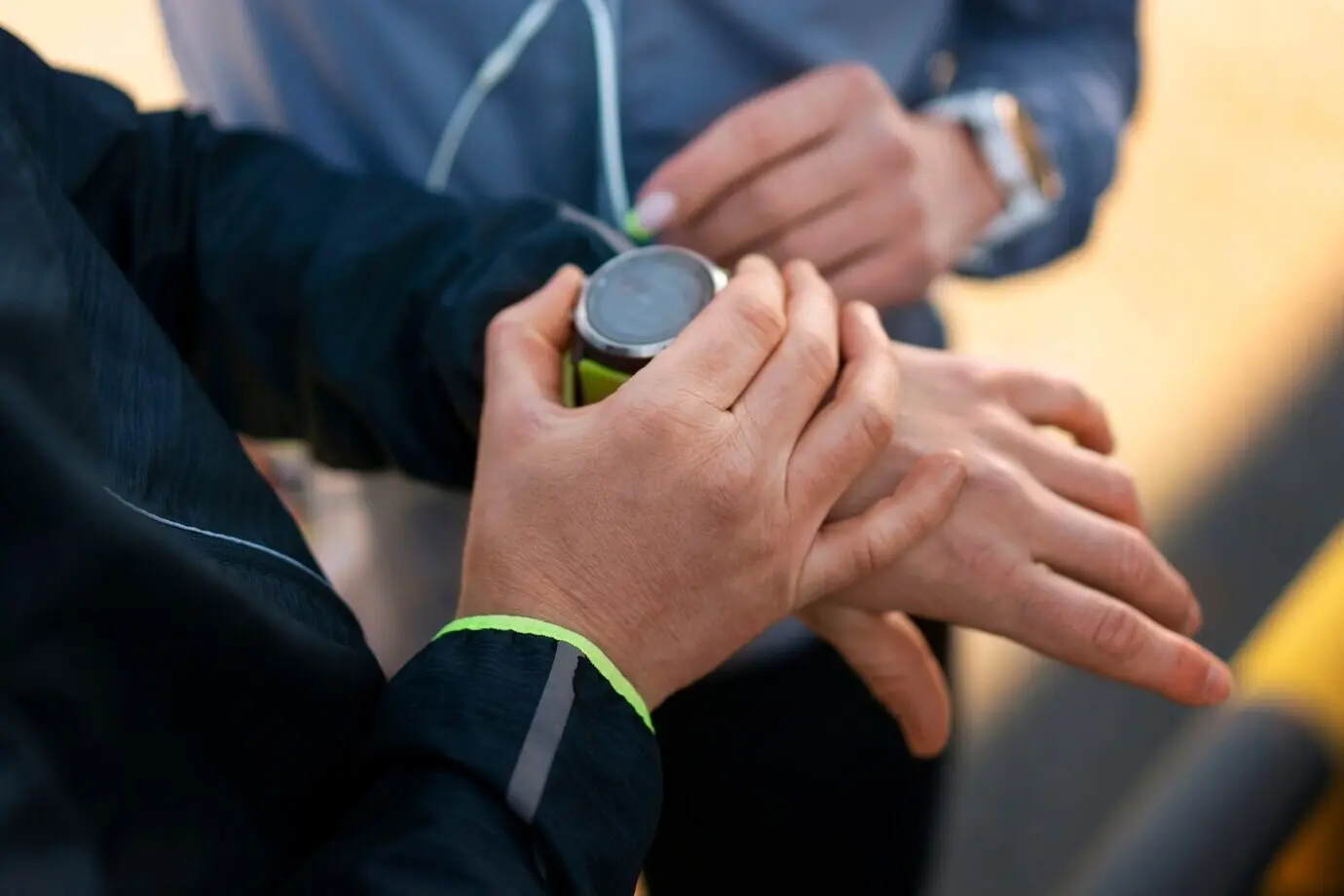
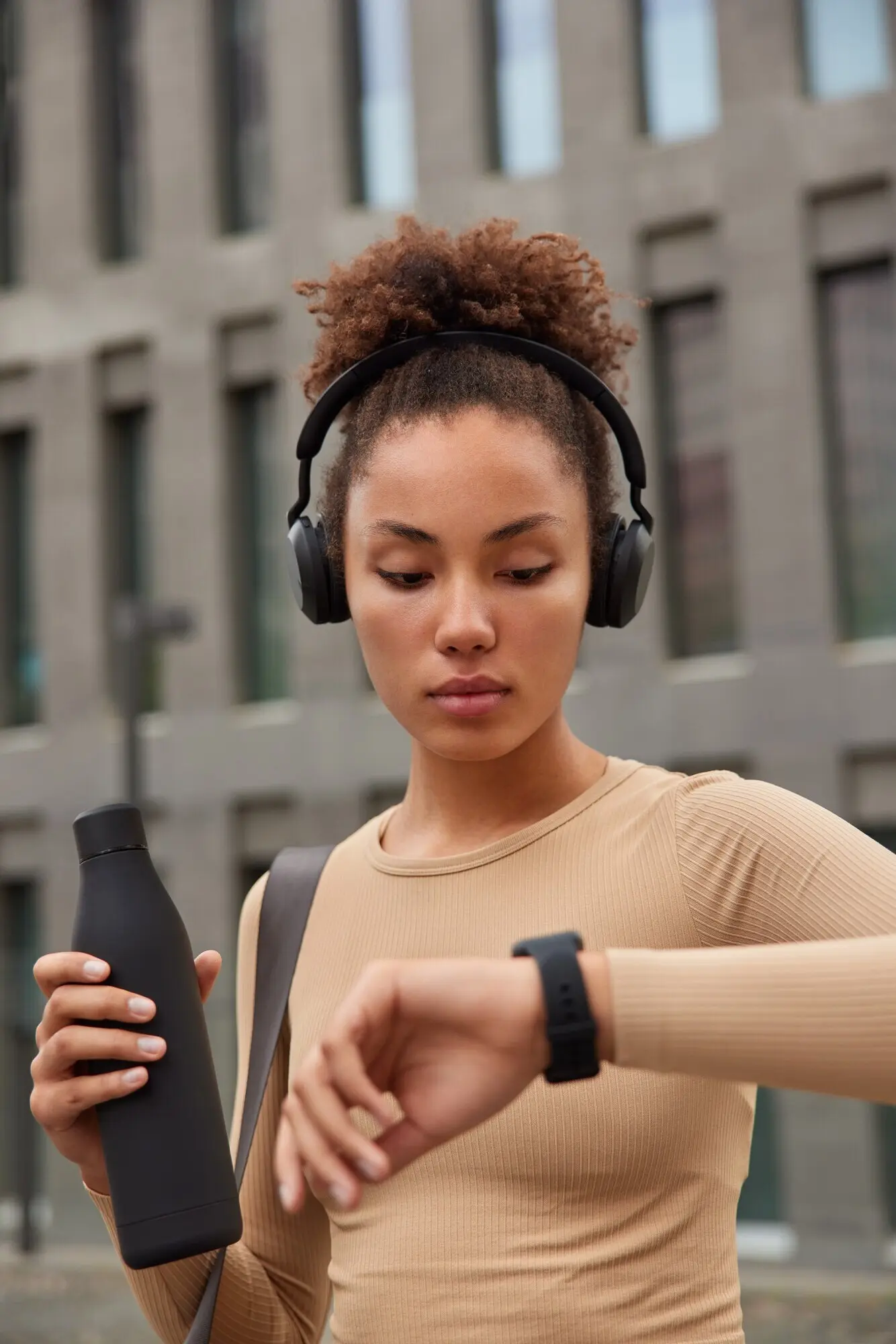
Use subtle reminders: a smartwatch vibration, a timer in focus mode, or a silly desktop widget that stretches alongside you. Keep a lacrosse ball or mini band in a drawer. Visual prompts invite action without shaming. The best tool is the one that sits inside your current workflow and makes relief the most obvious next step.
Share a daily two-minute routine in your team chat and invite reactions with emojis. Celebrate tiny milestones, like five consecutive days or a pain rating dropping one point. Consider a buddy system for mid-afternoon resets. Friendly visibility transforms consistency, and progress tracked publicly often feels more joyful, real, and sustainable than private perfection ever could.

Nina, the Designer with Tight Traps

Nina layered a neck side-bend, shoulder rolls, and chest opener between client approvals. After two weeks, afternoon headaches vanished and her pen tool felt steadier. She describes a surprising side effect: kinder shoulders meant kinder feedback. Creativity returned faster because her body stopped arguing with the chair, and reviews turned collaborative instead of combative.

Vik, the Analyst and His Stiff Hips

Spreadsheet sprints left Vik’s lower back throbbing by three o’clock. He adopted seated figure-four, gentle spinal rotations, and a standing hip extension beside the desk. The pain graph dropped noticeably in a week. Now he bookmarks models with movement breaks, claiming he solves gnarly assumptions better after blood flow refreshes the math inside his head.

Safety, Accessibility, and Modifications
Comfort should guide intensity. Move within a gentle stretch, not pain, and keep breath steady as a safety thermometer. Customize for your chair, clothing, and mobility equipment. If you have recent injuries, surgery, or sharp nerve symptoms, consult a clinician. The right variation always exists; the win is feeling relief now, not chasing extremes.

Listen to Sensations, Not Ego

A stretch should feel inviting, never alarming or electric. Ease in, pause, and exit slowly. Pain is a stop sign, not a challenge. If a motion pinches, back off angle, shorten range, or modify limb position. Slower breathing often unlocks stubborn spots, while curiosity keeps you safe and quickly teaches which pathways your tissues actually prefer.

Chair, Desk, and Clothing Check

Adjust seat height so feet ground comfortably and knees align roughly with hips. Clear arm space so you can rotate without bumping edges. Loosen restrictive clothing at the waist or shoulders. A rolled towel supports the lower back during micro-extensions. These simple tweaks make movements smoother, safer, and pleasantly repeatable across long, demanding days.

Join the Movement: Engage and Share

Your experience can spark someone else’s first helpful break. Comment with the two stretches that changed your workday most, subscribe for weekly micro-routines, and challenge a colleague to a shared two-minute reset. Screenshot your favorite sequence, tag us, and stack momentum together. Small commitments, repeated kindly, transform bodies, projects, and office cultures remarkably quickly.

Tell Us What Worked Today

Drop a note describing where you felt the biggest release—neck, hips, or wrists—and how long it lasted. Your story guides future sequences and helps readers with similar patterns. Honesty beats perfection. We celebrate attempts, tweaks, and discoveries, because practical progress grows from curiosity, not from chasing flawless form in silence.

Grab the Printable Desk Routine

Download a one-page checklist featuring the shoulder reset, seated figure-four, and wrist sequence, plus breath pacing. Tape it beside your monitor. Each checkmark builds confidence and consistency. Share the link with your team and start a friendly streak challenge that rewards presence, not punishment, and keeps everyone moving forward together, comfortably and productively.

Vote on Next Week’s Focus

Cast your vote for deeper hip releases, neck mobility, or midday energy resets blending movement and breath. Your input shapes the next set of micro-breaks so every post feels tailor-made for your workflow. Engagement ensures real-life relevance, stronger adherence, and fewer afternoons spent bargaining with a cranky back or throbbing temples.
Kiratemirinolivozento
Privacy Overview

This website uses cookies so that we can provide you with the best user experience possible. Cookie information is stored in your browser and performs functions such as recognising you when you return to our website and helping our team to understand which sections of the website you find most interesting and useful.